Protecting Lampasas Since 1961
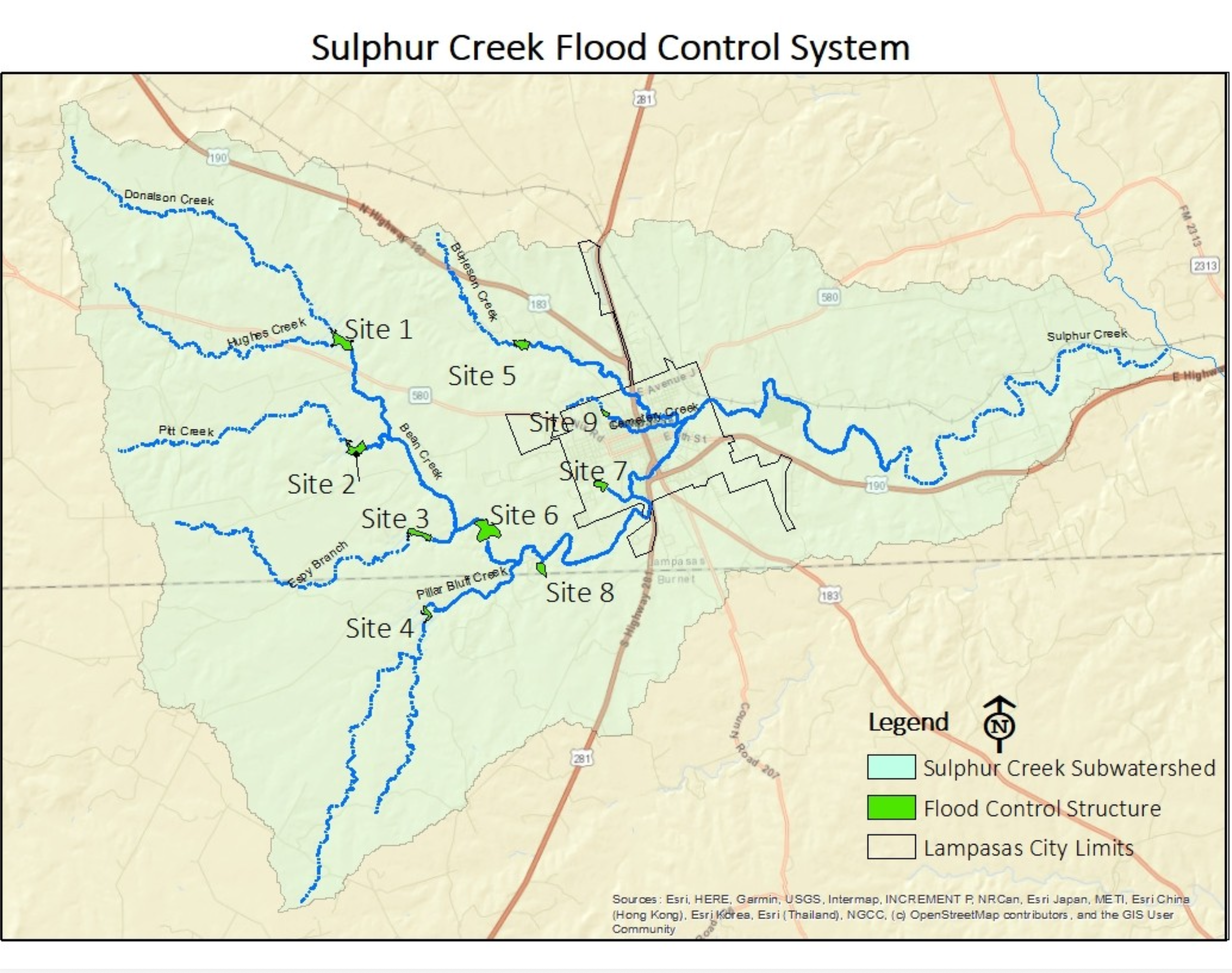
Nine flood control dams. One mission: Keeping our community safe.
The Lampasas County WCID #1 operates the network of floodwater retarding structures upstream of Lampasas that have prevented major flooding since their completion in 1961. Before these dams, Lampasas flooded repeatedly — sometimes catastrophically. They remain a vital safeguard for our community today.
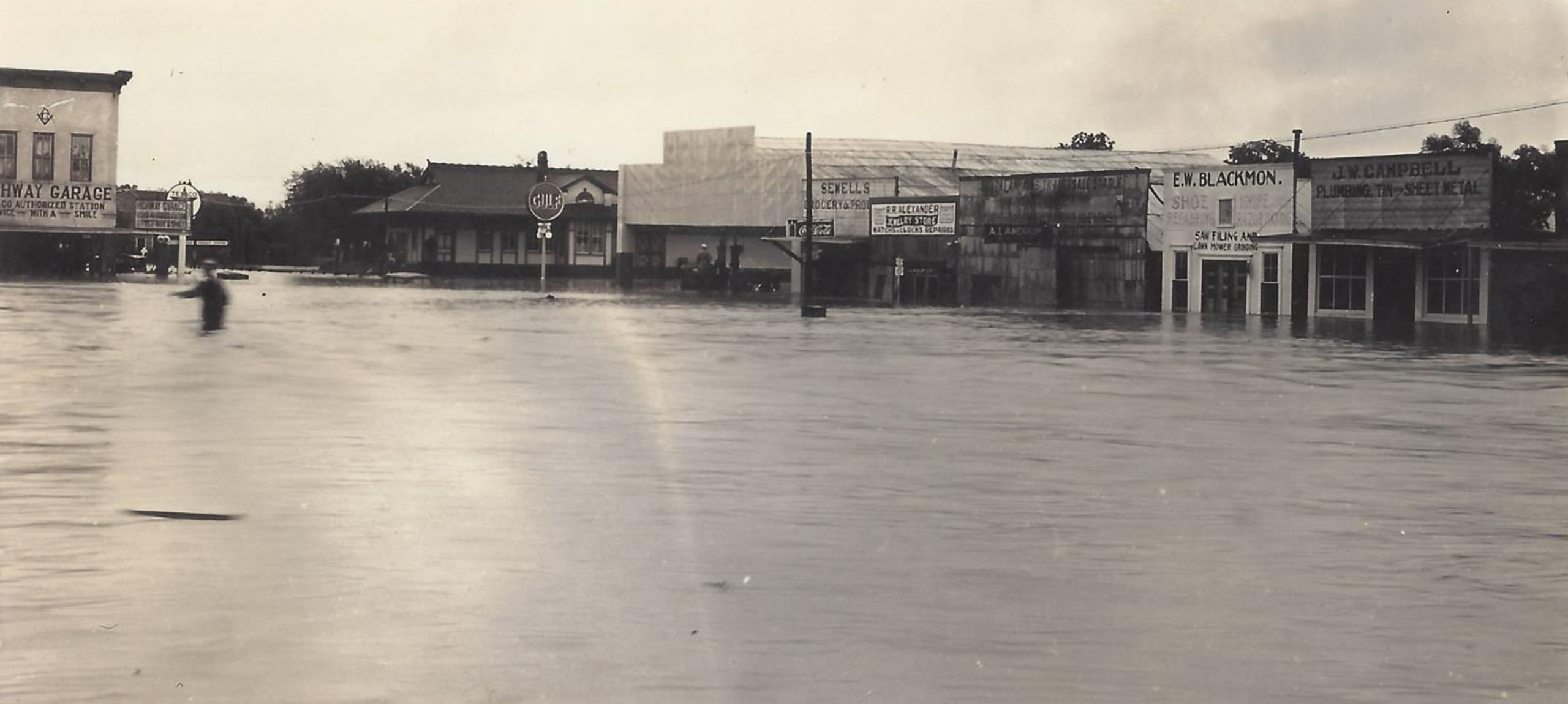
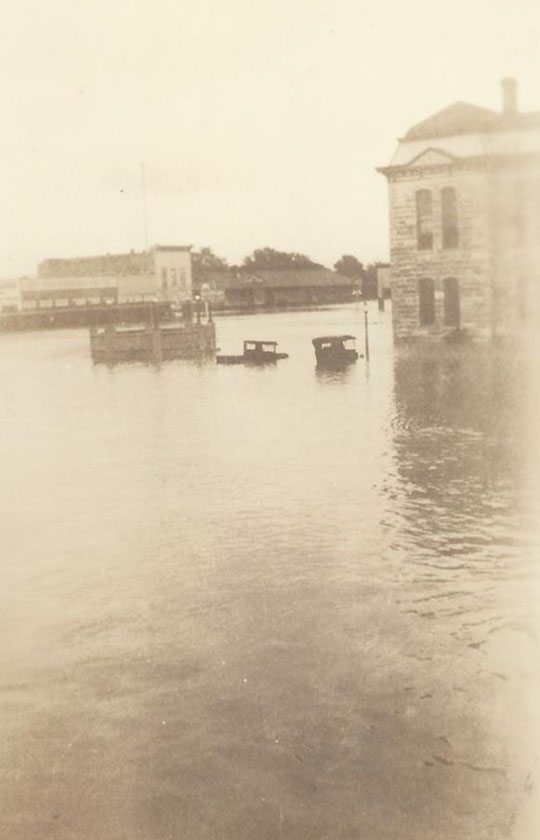
Once Called “Flash Flood Alley”
Before the dams were built, Lampasas experienced at least eight major flood events — some catastrophic. Small floods hit Sulphur Creek on average once every two years. Major floods causing widespread damage occurred roughly once every ten years.
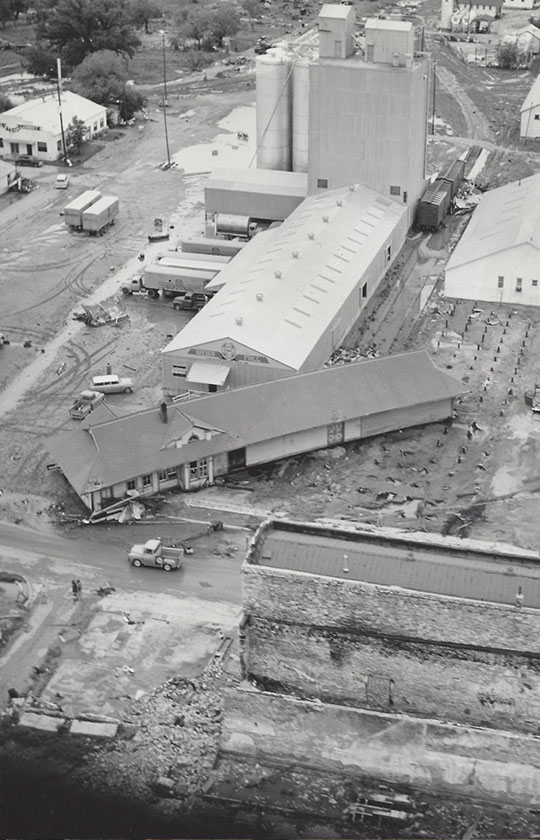
The worst came on Mother’s Day, May 12, 1957. Eight inches of rain fell in four and a half hours. The levee along Sulphur Creek ruptured near midnight. Five lives were lost, 168 businesses sustained major damage, 430 families lost property, and 50 homes were completely destroyed. Damage reached $6.4 million — roughly $72 million today.
The 35th Engineering Group from Fort Hood hauled off 5,000 loads of debris. The U.S. Army delivered drinking water because Sulphur Creek — the city’s water source — was contaminated.
The dams changed everything.
Flood Control Dams
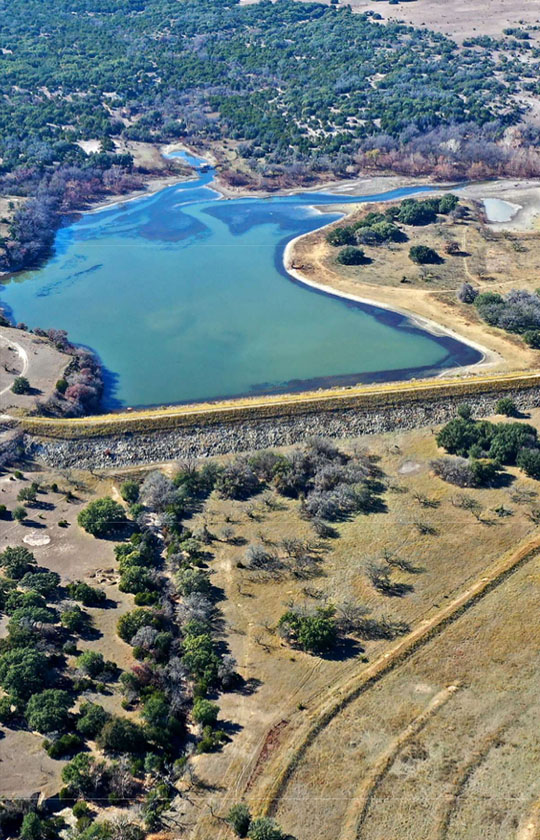
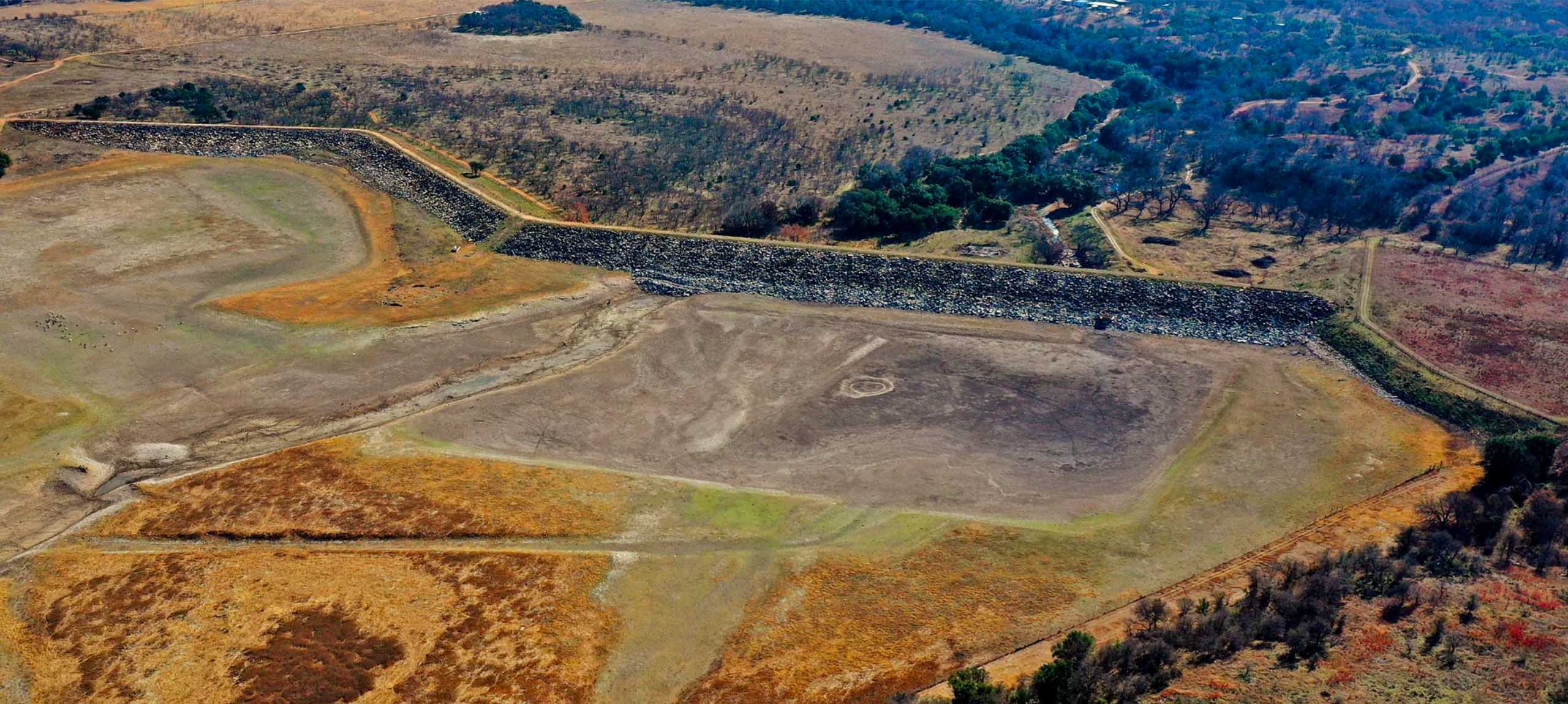
Nine earthen dams standing silently upstream, doing their job every time the sky opens up.
Years Protecting Lampasas
An entire generation of Lampasas residents has grown up never knowing what it feels like to lose everything to a flood.
Major Floods Since ’61
The number that says everything about why these dams must be maintained.
Our Role in Your Safety
The WCID operates nine Floodwater Retarding Structures on Sulphur Creek and its tributaries — slowing and storing floodwaters during storm events so downstream areas stay safe. Keeping those structures effective requires ongoing maintenance: vegetative cover management, brush and weed control, grazing fences, and both annual and formal 5-year dam safety inspections. And as Central Texas grows, the work extends beyond the dams themselves — increased rooftops and roads raise runoff volume, so the WCID also advocates for responsible development within the watershed to ensure the protection these structures were designed to provide remains intact for generations to come.

What the WCID Does
The WCID board meets regularly and welcomes public participation. View meeting minutes and stay up to date on the future of Lampasas flood protection
Operate
The WCID operates nine Floodwater Retarding Structures on Sulphur Creek and its tributaries. These dams slow and store floodwaters during storm events, releasing them gradually so downstream areas stay safe.
Advocate
As Central Texas grows, so does the risk. Increased impervious cover, rooftops and roads, raises runoff volume. The WCID advocates for responsible development within the watershed and compliance with county subdivision ordinances to protect the capacity these dams were designed to provide.
Maintain
Ongoing maintenance keeps the dams functioning as designed. This includes vegetative cover management, brush and weed control, fence maintenance to control grazing, and periodic inspections — both annual O&M inspections and formal 5-year dam safety inspections.